Tinting car windows is one of those upgrades that looks simple on the surface but carries legal and practical consequences. Drive into a San Antonio neighborhood with very dark side windows and you might attract attention from law enforcement. Choose too light a film and you miss the benefits of reduced heat and UV. The law sits between those extremes. This article walks through how tint rules are enforced locally, what to ask a shop, practical trade-offs when picking film, and what to do if you need a medical exemption or run into a citation.
Why the rules matter Tint affects visibility and safety as well as privacy and comfort. Officers need to be able to see occupants during traffic stops, emergency responders may need clear sight into a vehicle after a crash, and windshield or side tinting can change glare patterns. At the same time, good-quality tint reduces cabin temperature, protects interior trim from UV fade, and can reduce driver fatigue on long Texas afternoons. San Antonio sits in the balance between comfort in heat and enforcement of public-safety rules.
How tinting is enforced in San Antonio Local police and state troopers enforce the state statutes and municipal ordinances that apply. Enforcement usually happens during traffic stops for other reasons, at sobriety checkpoints, or when an officer notices the tint during a traffic stop. Officers may use a handheld light meter to measure visible light transmission, and they can issue citations if the film does not meet legal standards. In many encounters the stop escalates to a written citation when the officer concludes the window tint is not compliant.
Expectations at the shop and the paperwork you should get Reputable San Antonio tint shops will describe legal limits and give you documentation. Ask for any warranty in writing, a receipt that describes the film type and VLT (visible light transmission) rating, and the vendor’s certification that the installation complies with applicable law. Some shops post the allowable VLT ranges they sell for front and rear windows; others avoid guaranteeing legality because final determination rests with law enforcement.
Common questions customers ask, and straightforward answers Will my car pass inspection or get pulled over? There is no statewide vehicle inspection specific to window tinting in most cases, car window tinting san antonio but that does not prevent enforcement during a traffic stop. Police focus first on tint that impairs visibility into the vehicle or appears mirrored and distracting.
Do I need a sticker? Some states require a sticker indicating legal tint. Requirements change; ask your installer and verify with the Texas Department of Public Safety or the City of San Antonio’s transportation guidance.
What about aftermarket films versus factory privacy glass? Factory privacy glass is built into the window and usually has different legal treatment than aftermarket applied film. In many jurisdictions factory-installed tinted glass is treated differently from applied film. If your vehicle came with factory-tinted rear windows, bring the vehicle title or manufacturer documentation if questioned.
Medical exemptions and special permits Texas does allow medical exemptions for people with documented light sensitivity, certain eye conditions, or other qualifying medical issues that make darker tint necessary for health reasons. Exemptions typically require documentation from a physician and often a state-issued certificate that must be carried in the vehicle. If you believe you qualify, start with a medical professional who treats your condition and then consult the Texas Department of Motor Vehicles or Department of Public Safety for the correct form and process. Having a medical exemption does not make you invisible in the eyes of enforcement; you should carry paperwork and be ready to present it during a stop.
Choosing the right film: performance versus legality There are two separate decisions: the darkness or visible light transmission you choose, and the type of film. Films vary by metallization, ceramic content, dye, and hybrid blends. Ceramic films offer better heat rejection for a given VLT and are not metallic, which reduces interference with GPS or mobile signals. Dye-based films are cheaper but tend to fade and become purplish over time. Metallized films are durable and reflective but can interfere with signals. A common approach for San Antonio drivers who want daytime comfort is to choose a slightly lighter VLT for front windows and a darker VLT for rear windows while selecting a ceramic or hybrid film to maximize heat rejection without pushing VLT so low it invites tickets.
Trade-offs to weigh Comfort and heat rejection increase as VLT decreases, but driver visibility, night-time glare, and legal risk increase too. Darker rear windows give more privacy, but if your front side windows are excessively dark you may get a citation. Reflective films can look attractive but may attract attention and could be restricted in some places. Also factor in long-term durability, warranty coverage, and potential resale effects; a car with nonstandard tint may raise questions at resale or when trading in.
Practical steps before you tint Ask the shop to explain the VLT they recommend and why. Request that they measure and record VLT after installation and give you the reading in writing. Check that the shop uses proper surface prep, cures the film correctly, and hides or trims the film cleanly so it does not peel or bubble. Confirm the warranty period, what it covers, and whether it is transferable if you sell the vehicle.
Checklist to bring to the installer window tinting san antonio or to a traffic stop
- a copy of your vehicle registration and proof of ownership or manufacturer window information if you have factory-tinted glass the installer receipt showing film type, VLT rating, and any warranty or compliance statement medical exemption paperwork if you have an approved exemption contact information for the shop that installed the tint in case an officer wants verification
How officers measure tint and how to respond if stopped Law enforcement uses calibrated meters to measure VLT. If an officer asks you to roll down the front window a few inches so they can see inside, comply calmly. If they request documents, hand over your license and registration; if you have tint paperwork, offer it. If the officer issues a citation, accept it and follow the legal process rather than arguing on the roadside. You can contest a ticket in court and bring installer documentation or a second meter reading as evidence.
What to do if you get a citation A citation will typically specify the violation code and may require you to remove the film or obtain a correction. You can pay the fine, contest it, or present evidence such as a shop test showing compliance. Some drivers resolve tickets by choosing to remove or replace noncompliant tint and then getting the ticket dismissed or obtaining a compliance affidavit from the installer. If removal is necessary, have it done by a professional to avoid damaging the glass.
Cost considerations and realistic budget Prices in San Antonio vary depending on film quality, vehicle size, and whether you tint all windows or only the rear ones. Expect a basic dye film installation on a sedan to be in the lower price bracket, while ceramic film across all windows can be two to three times more expensive. Warranties and labor quality matter more than saving a small upfront amount; a cheap installation that bubbles in two years will likely cost more in the long run.
Finding a reliable installer near me Search for shops with a track record, reviews that describe long-term performance, and clear warranty documents. Visit the shop, look at example vehicles they have done, and ask about their process for documenting VLT. Ask friends or coworkers who live in San Antonio which shops they have used and whether they were ticketed afterward. A good shop will welcome questions and avoid promising absolute immunity from enforcement.
Common misconceptions and urban myths Myth, one: a darker tint makes your car safer from break-ins. Reality, tint can make it harder to see valuables inside, but thief behavior varies. Leaving valuables out will attract thieves regardless of tint, and very dark tints can draw attention precisely because they hide occupants. Myth, two: if my tint has a manufacturer’s sticker it is automatically legal. Reality, a sticker indicates the film type but does not negate local legal limits. Dealers sometimes put stickers that claim a VLT without calibrating the actual installation.
Edge cases and special vehicle types If you drive a multi-purpose vehicle, van, or taxi, different limits can apply in some jurisdictions. Commercial vehicles and rideshare drivers should check both state law and the policies of their platform. Classic cars and vehicles with aftermarket glass sometimes require different documentation; preserve manufacturer labels and service records when available.
Seasonal and climate considerations In San Antonio heat, tint is a functional choice as much as an aesthetic one. Lighter tints with high heat-rejection technology can achieve much of the cooling benefit without falling into the darkest VLTs, which increases the likelihood of compliance. Consider reflective sunshades, ventilated seats, and window film together as part of a strategy to reduce cabin temperature rather than relying on tint alone.
When to replace or remove tint Look for bubbling, creeping discoloration, peeling near the edges, or a hazy appearance. Any of these signs mean the film is degrading and may be less effective and more likely to attract enforcement attention. Professional removal preserves the defroster lines and avoids scratches. After removal, a new film of appropriate VLT installed by a reputable shop is usually a better choice than patch repairs.
A short shop‑owner anecdote I spoke with a San Antonio installer who has been doing tint work for more than a decade. He often sees people who choose their tint color based on aesthetics without thinking about the practical result. One customer wanted near-black rear windows but insisted on pitch-black fronts as well. After a citation and several calls to the shop, the owner convinced the customer to replace the fronts with a lighter, ceramic film that preserved the darker rear look while reducing the ticket risk and improving heat rejection. The customer kept the look he wanted and avoided future citations. The lesson: the cheapest or the darkest option is rarely the smartest.
Final guidance before you schedule an installation Verify the current legal framework with a reliable source such as your local police department or state agency. Ask the installer for written VLT measurements and a warranty. If you have medical needs, start the exemption paperwork before tinting. Choose film based on performance data, not just darkness, and factor in long-term durability and resale effects.
Where to find authoritative information For the most current and binding answers, consult official San Antonio municipal code resources or the Texas Department of Public Safety. Installer shops and associations can explain common practices, but definitive legal interpretation comes from statutes and case law. If a ticket becomes a legal matter, consider seeking advice from an attorney familiar with traffic and motor vehicle law.
Tinting your car is a practical upgrade when done thoughtfully. The best outcome in San Antonio is a film that brings measurable comfort and UV protection, aligns with local regulations, and comes with clear documentation and a durable warranty. If you follow the practical steps above, ask the right questions at the shop, and maintain the paperwork, you can enjoy the benefits of auto window tinting while minimizing legal risk.
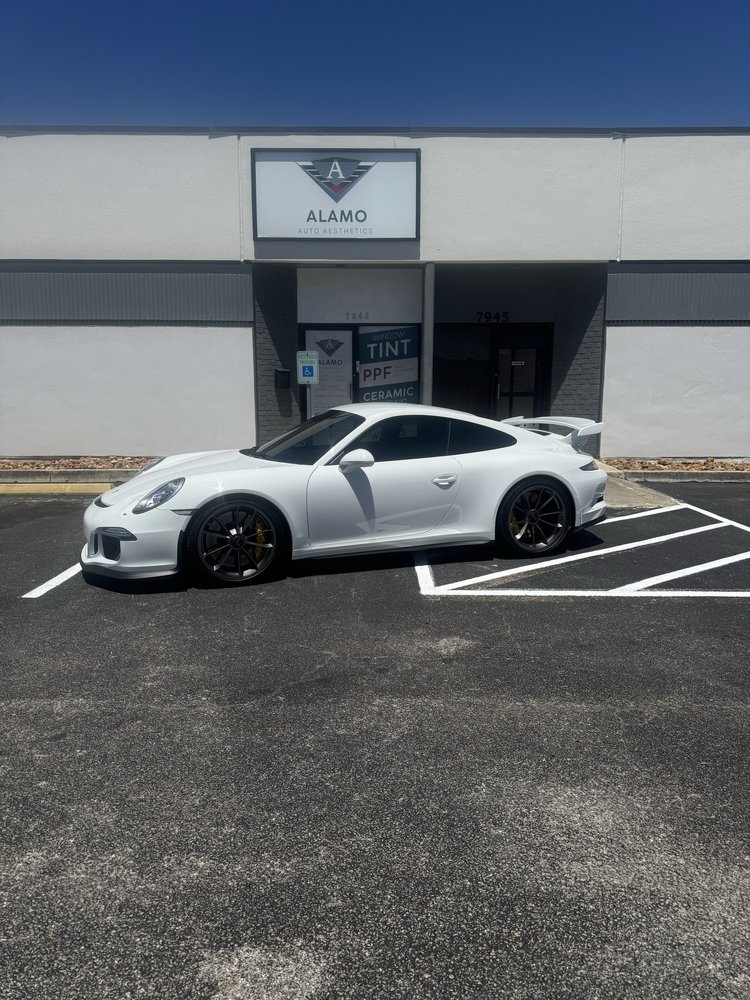
Alamo Auto Aesthetics PPF, Tints, Wraps 7943 Mainland Dr, San Antonio, TX 78250, United States +1 210-361-3765 https://alamoautoaesthetics.com/ Instagram: https://www.instagram.com/alamoautoaesthetics Facebook: https://www.facebook.com/profile.php?id=61576817309936 YouTube: https://www.youtube.com/@Alamoautoaesthetics Tiktok: https://www.tiktok.com/@alamoautoaesthetics
Alamo Auto Aesthetics PPF, Tints, Wraps 7943 Mainland Dr, San Antonio, TX 78250, United States +1 210-361-3765 Website: https://alamoautoaesthetics.com/